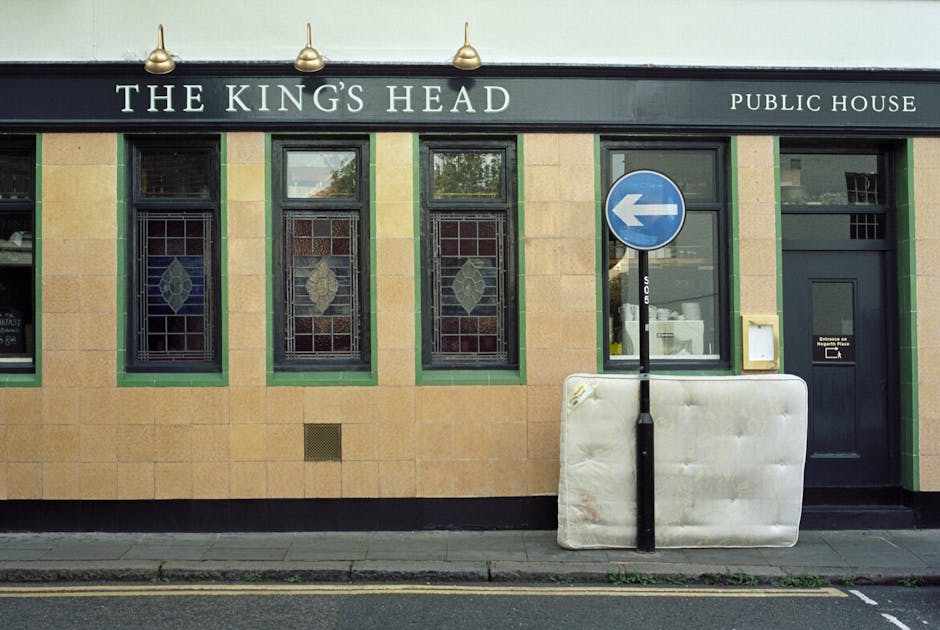
Merton Council Mattress Disposal Rules and Fines: A Practical Guide to Legal, Safe Disposal
If you have an old mattress taking up space in a hallway, bedroom, or garage, you are not alone. The tricky bit is not just getting rid of it - it is making sure you do it in a way that fits Merton Council mattress disposal rules and fines, avoids fly-tipping trouble, and does not leave you with an avoidable bill. In Merton, the wrong disposal choice can lead to enforcement action, and that is exactly the kind of headache most people would rather skip.
This guide breaks the topic down in plain English. You will learn what the rules are really about, how mattress disposal normally works in practice, what can trigger fines, and the safest ways to deal with a bulky mattress without creating problems for yourself or your neighbours. We will also cover common mistakes, helpful options, and a simple checklist you can use before you move anything outside. To be fair, mattress disposal sounds dull until it becomes urgent - usually on a moving day, just as the stairs are already packed with boxes.
Expert summary: The safest approach is simple: keep the mattress off the street unless Merton Council has specifically told you how to present it, use an approved collection or household waste route, and never leave it beside a bin, wall, or skip without checking the rules first.
- Why the rules matter
- How mattress disposal works in practice
- Benefits of disposing properly
- Who this guide is for
- Step-by-step guidance
- Expert tips
- Common mistakes to avoid
- Tools, resources and recommendations
- Law, compliance and best practice
- Options and comparison table
- Real-world example
- Practical checklist
- Conclusion
- Frequently asked questions
Why Merton Council Mattress Disposal Rules and Fines Matters
A mattress is bulky, awkward, and easy to mishandle. It looks harmless leaning against a wall, but councils tend to treat mattresses seriously because they are one of the most common bulky items dumped illegally. They also become a nuisance very quickly: they absorb rain, attract dirt, and can block pavements or communal access points. Once that happens, someone has to deal with the mess - and often it is the residents who live nearby.
The reason Merton Council mattress disposal rules and fines matter is not just the fine itself. It is the knock-on effect. A mattress left where it should not be can be treated as fly-tipping or an obstruction. In shared blocks, it can also upset neighbours, building managers, or landlords. And if you are moving out, the last thing you want is a disposal issue added to your exit day.
There is also a simple fairness point. Correct disposal supports recycling and proper waste handling, which is especially important for large items like mattresses that contain mixed materials. Springs, foam, fabric, and timber all behave differently in the waste stream. If you dispose of a mattress properly, you make it much more likely that it will be handled the right way. That is good for the area, and yes, good for your own peace of mind too.
How Merton Council Mattress Disposal Rules and Fines Works
In practice, mattress disposal rules usually revolve around three things: how the mattress is presented, where it is left, and whether you use an approved disposal route. The broad idea is straightforward. If you want Merton Council to remove a mattress, or if you are using another legal disposal method, the item needs to be handled in a controlled way. A mattress dumped at random on a pavement is the sort of thing that can trigger complaints and enforcement attention.
The fines side comes in when the disposal method is careless, illegal, or clearly not authorised. That might include putting the mattress by a communal bin area without permission, leaving it on the street overnight, or handing it to someone who is not properly licensed to take waste away. The exact response can vary depending on the circumstances, but the risk is real enough that it is worth getting right the first time.
In a typical London setting, a resident may have a mattress removed through a council bulky waste route, arrange a licensed collection, or take it to an approved disposal point if they can transport it safely. If you live in a flat, there may be extra building rules. If you are a landlord or letting agent, the responsibility can shift depending on the tenancy agreement and who caused the waste. A small detail, but an important one.
One thing people often miss: a mattress is not just any old household item. Because of its size and material mix, it can create access issues quickly. So councils tend to expect a bit more care than they would for a bag of general rubbish. That is why "I just left it out for collection" is not always a safe answer.
Key Benefits and Practical Advantages
Following the correct disposal route gives you more than legal safety. It makes the whole process calmer and cleaner. And that is not a small thing when you are already juggling moving dates, deliveries, work, or family life.
- Avoids fines and complaints: You remove the main risk attached to illegal or badly presented waste.
- Keeps shared spaces tidy: This matters especially in blocks, terraces, and narrow streets.
- Supports recycling and recovery: A properly handled mattress is more likely to be processed correctly.
- Reduces stress: No guessing, no awkward note from a neighbour, no anxious morning checking if the item has been moved.
- Works better for end-of-tenancy moves: You can hand back a property cleaner and avoid disputes.
There is also a practical upside for landlords and facilities managers. When mattress disposal is planned, it prevents the "where did this come from?" moment that often happens after a tenancy ends or after a furnished room is emptied. If you are dealing with recurring clear-outs, combining waste planning with services such as house clearance or end of tenancy cleaning can make the whole exit process feel much less chaotic.
Who This Is For and When It Makes Sense
This guide is for anyone in Merton who has an unwanted mattress and wants to dispose of it lawfully. That includes renters, homeowners, landlords, letting agents, student sharers, property managers, and business owners who occasionally deal with furnished accommodation. If that sounds broad, it is because mattress disposal is broad. People end up needing it for all sorts of reasons.
You may need this information when:
- you are moving house and do not want to take an old mattress with you;
- your mattress is damaged, sagging, or no longer hygienic;
- you are replacing furniture in a rental property;
- a guest room is being cleared for a renovation;
- you are managing shared accommodation and need a compliant removal plan;
- you found a mattress left behind after a tenancy or a house clearance.
It also makes sense if you are trying to keep a property ready for guests. For example, in short-let or Airbnb-style turnover, an old mattress can become a messy problem very quickly. In those cases, disposal planning often sits alongside Airbnb cleaning or move out cleaning, because timing is everything.
Step-by-Step Guidance
If you want the simplest possible route, follow this order. It is not glamorous, but it works.
- Check the mattress condition. If it is only stained, you may not need disposal at all. A mattress that still has life left in it could potentially be cleaned rather than replaced. If hygiene is the problem, a specialist clean may be the better first step.
- Find out whether the mattress can be collected through an authorised route. If you are using a council or licensed collection service, make sure you understand how and when it should be left out.
- Remove bedding and packaging. Strip everything off. It sounds obvious, but loose fabric, protector covers, and plastic wrap often get forgotten in the rush.
- Keep the mattress on private property until the right time. Do not put it on the pavement early "just to be ready". That is where problems often start.
- Protect access routes. In flats or shared houses, make sure the mattress does not block doors, stairwells, bins, or fire exits.
- Use a licensed waste carrier or approved collection method if you are not using council collection. This is the part that protects you from misunderstandings and dodgy operators.
- Keep records. If you arranged removal, hold onto any confirmation, receipt, or written message. Handy if there is ever a dispute.
If the mattress is part of a larger clear-out, it can make sense to tackle the whole room at once. For example, a combined declutter and clean often goes more smoothly than handling one bulky item at a time. A quick refresh after removal - especially on the floor and around the bed base - can also help. Services like deep cleaning or mattress cleaning may be useful if the mattress is being kept rather than discarded.
Expert Tips for Better Results
There are a few small choices that can save you a lot of hassle. These are the things people only learn after they have had a frustrating day carrying a mattress down narrow stairs. Ask me how I know - well, not literally, but you get the point.
- Plan the removal for daylight. It is easier to inspect access routes and less likely to cause a neighbour complaint.
- Measure stairwells and doors before moving anything. A mattress that looks manageable in the bedroom can feel like a sail in the hallway.
- Use gloves if the item is heavily used or dusty. Mattresses collect more debris than people expect.
- Do not fold or force a mattress unless the product is designed for it. Some types can be damaged, and you may injure yourself.
- Combine disposal with a proper room tidy. Dust under the bed, clear the skirting line, and check for spills or stains before putting a new one in place.
- When in doubt, ask before you act. A five-minute check can save a costly mistake later.
For landlords and owners who want the room left in good order, mattress disposal often pairs neatly with one-off cleaning or house cleaning. If the mattress has been affected by pet odour or heavy staining, a specialist service such as pet stain odour removal can sometimes improve the room enough that replacement is not even necessary. Worth thinking about, at least.
Common Mistakes to Avoid
Most mattress disposal fines and complaints come from simple mistakes, not dramatic wrongdoing. That is the annoying bit, really. A person thinks they are being helpful, and then the item becomes a problem for everyone else.
- Leaving a mattress on the street too early. If it is not in the correct collection window, it may be treated as abandoned waste.
- Putting it next to general bins without permission. This is one of the fastest ways to create confusion in a communal area.
- Using an unlicensed remover. Cheap is not cheap if the waste gets fly-tipped and traced back to you.
- Assuming "someone will take it". A mattress outside a property is not automatically fair game.
- Mixing the mattress with other rubbish. That can make it harder to collect, and sometimes impossible to process properly.
- Ignoring building rules. Some flats and managed estates have their own waste procedures, and those can matter a lot.
Another common issue is timing. People often sort out disposal after the moving van has already left. Then you are rushed, tired, and tempted to do the quickest thing. That is the moment mistakes happen. Better to line everything up a day or two earlier, even if it feels slightly over-cautious.
Tools, Resources and Recommendations
You do not need complicated tools to dispose of a mattress properly, but a few practical items make life easier.
- Heavy-duty gloves: Helpful for lifting, especially if the mattress has visible dust or staining.
- Measuring tape: Useful if you need to check door widths, stair turns, or lift access.
- Protective sheet or wrap: Handy when moving a clean mattress through a shared hallway.
- Phone camera: Good for keeping a record of where and how the item was presented for collection.
- Confirmation message or receipt: Keep it somewhere easy to find if you used a collection or removal service.
If you are dealing with a wider clean-up, it can also help to think in terms of the whole property, not just the mattress. A tidy exit is usually built from several small actions: floor cleaning, stain treatment, and a final sweep. Services such as steam carpet cleaning, upholstery cleaning, and sofa cleaning are often the kind of finishing touches people forget until the last minute.
If you are comparing help options, pricing and clarity matter. You want a clear explanation of what is included, what happens to waste, and how any extra work is handled. The details are often more important than the headline promise. For that reason, it is sensible to review pricing and quotes carefully and read the terms and conditions before agreeing to anything.
Law, Compliance, Standards, or Best Practice
From a compliance point of view, the safe rule is plain: do not dispose of waste in a way that could be considered fly-tipping, illegal dumping, or a nuisance to others. Local authorities across London expect residents and businesses to use proper waste routes, and mattress disposal is no exception. The exact enforcement approach can vary, but that does not make the risk imaginary. It is very much there.
Best practice usually means:
- keeping waste on private property until authorised for collection;
- using a licensed waste carrier when you are paying someone else to take it away;
- following any communal or estate instructions exactly;
- ensuring waste does not block access or create hazards;
- retaining evidence of lawful disposal where possible.
If you run a business or manage premises, you should be even more careful. Commercial settings often have more people, more access points, and more shared responsibility. It becomes easier for an item to be misplaced or ignored. In offices, blocks, and managed buildings, planning disposal alongside commercial cleaning, office cleaning, or communal area cleaning can reduce the chance of a messy handover.
One sensible best practice is to think about the mattress as part of a wider end-of-life property routine. If a room is being emptied, cleaned, and re-used, the mattress removal should sit inside that process, not happen as an afterthought. That sounds small. It is not small.
Options, Methods, or Comparison Table
There is no single right way to dispose of a mattress in Merton. The best method depends on condition, timing, access, and whether you want the quickest or most controlled option. Here is a simple comparison to help you choose.
| Option | Best for | Pros | Watch-outs |
|---|---|---|---|
| Council or approved bulky waste collection | Most household mattresses | Structured, straightforward, usually the least stressful | Needs correct presentation and timing |
| Licensed waste carrier | Urgent removals or larger clear-outs | Convenient, can handle other bulky items too | You should verify the service is legitimate |
| Take to an appropriate disposal site | People with safe transport and lifting help | Direct control over disposal | Carrying a mattress can be awkward and unsafe without the right vehicle |
| Reuse or donation if fit for purpose | Mattresses in genuinely good condition | Potentially avoids waste altogether | Must meet the receiving organisation's standards |
| Cleaning instead of disposal | Mattresses that are stained but otherwise usable | Cheaper than replacement in some cases | Not suitable if the mattress is badly worn or unhygienic |
If you are unsure whether to clean or replace, a quick inspection helps. If there is structural sagging, broken springs, or persistent odour, disposal may be the realistic answer. If the issue is surface staining, you may be better off exploring stain removal or mattress cleaning before you commit to throwing it away.
Case Study or Real-World Example
A fairly typical Merton scenario goes like this. A tenant is moving out of a flat on a busy residential road. The mattress is old, a bit lumpy, and not worth keeping. The moving day is full-on. Boxes are taped. The kettle has disappeared into a mystery box. And the mattress? It is still in the bedroom, just waiting to become a problem.
Instead of leaving it near the bin area the night before, the tenant checks the building rules, confirms the disposal route, and arranges the item to be moved on the correct day. They strip the bedding, keep the mattress inside until collection time, and photograph it once it is ready. After it is taken away, the room is vacuumed and cleaned, including under the bed and along the skirting board. The whole thing ends quietly. No complaints. No awkward note in the hallway. No fine.
That is the difference good planning makes. It is not flashy, but it saves time and stress. And to be honest, that is usually what people want most.
In a similar case with a furnished rental, the mattress was salvageable but heavily marked. A cleaning-first approach made more sense than immediate disposal. The owners used a combination of move in cleaning preparation and targeted mattress cleaning, which avoided a replacement cost. Not every mattress can be saved, of course. But sometimes it can, and that is worth checking before you haul it out the door.
Practical Checklist
Use this quick checklist before you move the mattress. It keeps things simple.
- Have you checked whether the mattress should be collected, cleaned, reused, or disposed of?
- Do you know the correct disposal route for your property type?
- Have you confirmed the collection time or removal method?
- Is the mattress staying on private property until the correct moment?
- Have you removed all bedding, covers, and packaging?
- Will the mattress block any shared walkway, fire exit, or bin area?
- Have you kept any message, receipt, or confirmation?
- If using a third party, are they properly licensed and trustworthy?
- Do you need a room clean after removal?
- Are you sure the item is actually ready to leave, or would cleaning be enough?
If you can tick those off, you are in good shape. Simple as that.
Conclusion
Merton Council mattress disposal rules and fines are really about one thing: making sure a bulky item is handled properly, rather than dumped somewhere inconvenient and left to become someone else's problem. The safest approach is to keep the mattress on private property until it is ready for a lawful collection, use a proper disposal method, and keep a record of what you did. It is a small amount of effort for a very large reduction in risk.
For many people, the decision is not even just about disposal. It is about whether the mattress can be cleaned, reused, or moved as part of a wider property refresh. If you are changing a room over, tackling stains, or preparing a property for new occupants, it is worth looking at the whole picture rather than one item at a time. A bit of planning now can save a lot of running around later. And honestly, that calm feeling when the room is finally cleared? Hard to beat.
Get a free quote today and see how much you can save.
Frequently Asked Questions
Can I leave a mattress next to the bin in Merton?
Usually, no. Leaving a mattress beside bins without permission or an arranged collection can create enforcement risk, especially if it blocks access or looks like abandoned waste.
What happens if I dump a mattress on the pavement?
You could face complaints or fines if it is treated as fly-tipping or an obstruction. Even if the mattress is "only there for a bit", that can still cause trouble.
Does Merton Council collect mattresses from flats?
Collection from flats can be possible, but access, building rules, and presentation requirements matter. In shared buildings, check the correct procedure before moving the item.
Can I give an old mattress to a friend or charity?
Only if it is genuinely in good condition and the receiving person or organisation is happy to accept it. A worn-out or stained mattress is often not suitable for reuse.
Is it better to clean a mattress instead of disposing of it?
Sometimes, yes. If the mattress is structurally sound and the issue is mainly staining or odour, cleaning may be the smarter and cheaper option.
How do I know if a waste collector is legitimate?
Ask clear questions about what they take, how they dispose of waste, and whether they operate properly. If anything feels vague or rushed, that is a warning sign.
Can I put a mattress out the night before collection?
Not unless the collection rules clearly allow it. Early placement is one of the most common causes of nuisance and complaint.
Do mattress disposal rules apply to landlords too?
Yes, and sometimes more strictly in practice, because landlords and agents often manage shared spaces, tenant handovers, and multiple items at once.
What if the mattress is mouldy or badly damaged?
In that case, disposal is often the safest route. A mouldy or heavily damaged mattress is rarely worth trying to salvage, especially in a family home or rental property.
Can I dispose of a mattress myself with a van?
Yes, if you can transport it safely and take it to the right place. Just make sure you do not leave it somewhere unofficial on the way, even briefly.
Will the council definitely fine me if I make a mistake?
Not every mistake leads to a fine, but the risk is enough that you should not rely on leniency. The cleanest approach is always to follow the correct disposal method from the start.
What should I do after the mattress is removed?
Vacuum the space, check under the bed and skirting, and clean the floor. If the room is being reset for a new tenant or guest, a proper final clean makes a big difference.
And there you have it - not glamorous, but genuinely useful. Get the mattress out the right way, keep things tidy, and the rest of the process becomes much easier. A little care now, and the whole room feels lighter.