Merton Council Rules on Hazardous Waste for Cleaners
If you clean homes, offices, or rental properties in Merton, hazardous waste can crop up faster than you'd think. One old aerosol can in a utility cupboard, a half-used bleach bottle under the sink, a broken fluorescent tube after a deep clean - and suddenly you're dealing with something that needs proper handling, not just a standard bin bag. The Merton Council Rules on Hazardous Waste for Cleaners matter because they shape what can be collected, what must be separated, and what should be escalated rather than casually disposed of. This guide breaks it down in plain English, with a practical eye on day-to-day cleaning work.
We'll cover what hazardous waste actually means in a cleaning setting, how local expectations usually work, the main mistakes people make, and the safest way to stay organised. If you want the short version: don't guess, don't mix waste streams, and never treat "a bit dangerous" as harmless. That's where trouble starts.
Why Merton Council Rules on Hazardous Waste for Cleaners Matters
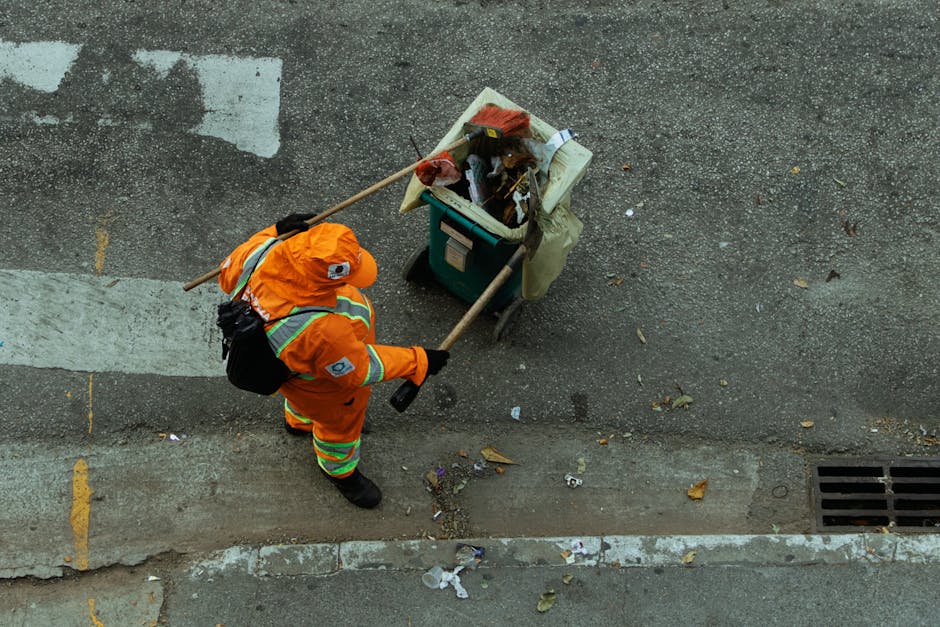
For cleaners, hazardous waste rules are not some distant admin issue. They affect how you work in real properties, with real mess, in real time. A lot of cleaning tasks create waste that looks ordinary at first glance but carries risk: chemical residue, sharps, contaminated cloths, batteries, broken glass coated in cleaning solution, mould-infested materials, paint tins, and solvent-based products. If these are handled badly, the outcome is usually one of three things: injury, contamination, or avoidable non-compliance.
Let's face it, when a job is going well, nobody wants to stop and read labels. But that little pause can save a headache later. In a busy Merton flat clear-out, for example, a cleaner might find a box of mixed products under a bathroom sink: toilet descaler, oven cleaner, drain opener, an old aerosol deodoriser, and a leaking bottle of polish. That is the moment to slow down. Hazardous waste needs separation, correct packaging, and the right disposal route. Otherwise, you risk putting waste handlers, building staff, and your own team in danger.
There's also a reputation angle. Clients usually notice when waste is left neatly sorted and removed in a sensible way. They may not know the exact rules, but they do know when a cleaner looks in control. That matters for end-of-tenancy jobs, office cleans, post-flood cleanups, and any work that has a little more complexity. If you handle this well, you look professional. Simple as that.
For broader background on how cleaning services in the area are presented and managed, you may also find the services overview useful, especially if you're comparing what different cleaning tasks may involve.
How Merton Council Rules on Hazardous Waste for Cleaners Works
The practical side is usually less about memorising a single rule and more about working within a local system: identify the waste, keep it separate, package it safely, and use the appropriate disposal route. In Merton, as in other London boroughs, the exact handling depends on the type of waste and the setting it came from. A domestic cleaner dealing with a few household chemicals is not working in the same way as a commercial team clearing a plant room, kitchen store, or contractor's mess.
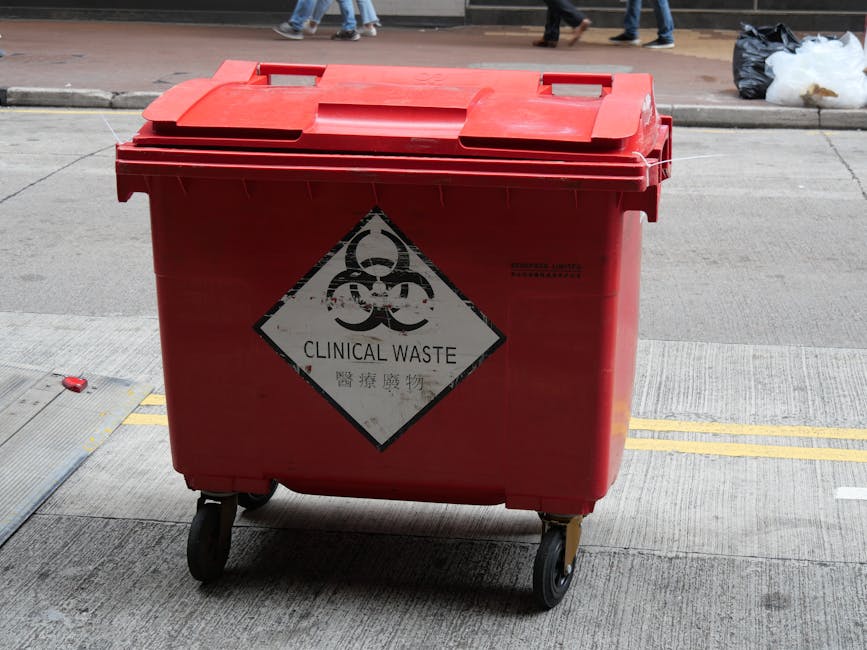
Here's the part people often miss: "hazardous" is not just about something that smells strong or looks nasty. It can include corrosive products, flammable liquids, toxic substances, pesticides, certain batteries, gas canisters, sharps, and materials contaminated by those items. After a flood or deep sanitation job, it can also include items that have absorbed chemicals or biological contamination. If you need a broader read on this type of job, the article on urgent flood cleanup services in Merton gives helpful context on why these situations get complicated so quickly.
For cleaners, the usual workflow is:
- Identify anything that could be hazardous before it is moved.
- Keep compatible and incompatible waste apart.
- Do not decant chemicals into unlabelled containers.
- Use original packaging where possible, or clearly label a secondary container if transfer is unavoidable.
- Protect the waste from leaks, breaks, or accidental mixing.
- Escalate unusual items rather than improvising disposal.
In practice, this means your team should have a waste decision habit. Not a fancy system. Just a habit. "Is this safe to bag with general waste?" "Does this need a sealed container?" "Should this be left for a specialist collection?" Those small questions avoid bigger problems later.
It also helps to think in job types. An end-of-tenancy clean may produce aerosol cans, leftover cleaning bottles, and occasional sharps found behind furniture. An office clean may reveal printer consumables, batteries, broken electronics, or outdated fluorescent tubes. A house clean after a long period of neglect could involve mouldy textiles or containers with old chemicals in the cupboard. The rule is the same in each case: don't treat all waste as one pile.
Key Benefits and Practical Advantages
Working properly with hazardous waste is not just about avoiding trouble. It makes cleaning jobs smoother, safer, and often cheaper in the long run. Oddly enough, the careful route is usually the less stressful one.
- Safer teams: Fewer cuts, spills, fumes, and accidental exposures.
- Better client trust: Clients see that you work with care, especially in high-value homes and office environments.
- Cleaner handovers: Landlords, tenants, and property managers are less likely to question what was left behind.
- Less rework: Proper sorting prevents contamination of other waste, which can mean fewer call-backs and less time wasted.
- Lower compliance risk: Good process reduces the chance of unsafe disposal or avoidable complaints.
There's a subtle business benefit too. Teams that manage waste properly tend to run tidier jobs overall. They label things more clearly, pack vans better, and waste less time wondering what to do with "just one odd item." That discipline tends to spill into the rest of the operation. In a good way.
If you work in homes, it may be worth aligning waste handling with your wider service standards. Pages like domestic cleaning Merton and house cleaning Merton are useful touchpoints for thinking about how everyday residential cleaning can stay organised and safe.
Who This Is For and When It Makes Sense
This guidance is for anyone cleaning in Merton who may encounter hazardous or potentially hazardous waste. That includes self-employed cleaners, agency cleaners, deep-clean teams, office cleaning crews, end-of-tenancy specialists, and post-incident cleanup operators. It also matters to landlords and letting agents who want proper site handover, because a messy waste trail can quickly become a dispute.
It matters most when the job goes beyond routine dusting and vacuuming. Think about:
- properties with old or abandoned chemicals in cupboards
- post-party or post-event venues where bottles, aerosol products, and broken glass are mixed together
- office cleanouts with batteries, toner cartridges, and minor electrical waste
- after-build cleans with paint, solvents, adhesives, and sealants
- flood, mould, or sewage-affected areas where waste may be contaminated
- tenancy changes where previous occupants left behind unknown products
A useful related read here is end of tenancy cleaning in Merton, because that's one of the most common situations where cleaners find unexpected waste tucked away in cupboards, lofts, or sheds.
Truth be told, if you clean for long enough, you'll see the same pattern again and again: ordinary jobs become complicated because people store things badly. A half-empty bottle of drain cleaner in a kitchen cupboard doesn't look dramatic. But if it leaks inside a van, the smell alone can ruin the day. Been there? Most cleaners have, at least once.
Step-by-Step Guidance
If you want a practical way to deal with hazardous waste during cleaning work, keep it simple and repeatable. Here's a workflow that is easy to train and easy to follow.
- Stop and identify. Before bagging or moving anything, check labels, hazard symbols, container condition, and whether items are leaking or broken.
- Separate by type. Keep chemicals apart from sharps, batteries apart from general rubbish, and contaminated textiles away from clean waste streams.
- Do not mix unknowns. If you cannot identify a product, don't pour it into another container or combine it with something else. That's asking for trouble.
- Secure the item. Use a stable container, seal leaks, and protect sharp edges. If packaging is damaged, double-bag or isolate the item appropriately.
- Record what you found. A short note in the job record helps later, especially if a property manager asks what was removed.
- Escalate anything unusual. Gas cylinders, large quantities of solvent, industrial products, or suspicious containers should be treated as specialist waste, not a quick clean-up task.
- Confirm disposal route. Make sure the waste is handled according to the right process for the item and the source property.
In an office setting, this might be as straightforward as separating old batteries, damaged desk lamps, and toner from ordinary waste. In a home, it may be as basic as removing cleaning product residues safely. Still, the habit matters. Good habits scale.
For workplaces that want to keep standards consistent, a look at the office cleaning Merton page can help connect waste handling with broader commercial cleaning routines.
Expert Tips for Better Results
The best cleaners I've seen are not the ones who know every regulation by heart. They're the ones who stay calm, slow down at the right moment, and keep good routines. That's the real trick.
- Create a "question point" in every job: one place where cleaners pause and ask whether anything found needs special handling.
- Train on common risk items: aerosols, bleach, drain cleaners, batteries, glass, razors, needles, and mould-affected materials.
- Keep a small incident kit: gloves, leak-resistant bags, absorbent material, labels, and basic spill-response supplies.
- Photograph unusual waste when appropriate: this can support job notes and reduce confusion later.
- Use a no-blame reporting style: staff are more likely to report a problem early if they won't get told off for it. That's not fluffy management talk; it's practical.
- Plan for post-clean ventilation: some areas need fresh air after chemical or mould-related work, even if the cleaning itself went smoothly.
Another quiet but important point: don't assume the client knows what they've left behind. People often forget old tins, leftover DIY products, or batteries in a drawer. You may find waste in places that look "finished" at first glance. Kitchen kickboards, airing cupboards, under-sink cabinets - the usual suspects.
If your work often includes specialist surfaces, carpet cleaning Merton and upholstery cleaning Merton can be relevant too, because contaminated textiles and cleaning chemistry often intersect in the real world. It's not glamorous. It's just how jobs happen.
Common Mistakes to Avoid
Most problems with hazardous waste come from haste, overconfidence, or trying to make a problem disappear quickly. That last one is a classic. If you can't identify it, don't wing it.
- Mixing chemicals: even small amounts can react badly, especially when containers are damaged or residues remain.
- Putting sharps in ordinary bags: this creates obvious injury risk for cleaners, clients, and waste handlers.
- Using unlabelled decanted bottles: a mystery liquid is a risk every time, even if it looks harmless.
- Ignoring leaks: a small drip can become a van contamination issue very quickly.
- Assuming "domestic" means "safe": home products can still be corrosive, flammable, or toxic.
- Skipping job notes: if something goes missing or a client asks a question later, you want a record.
One more thing: don't let a tidy-looking bag fool you. A bag can be neat and still be wrong. It happens. The visual check is useful, but it is not a substitute for sorting by waste type.
Tools, Resources and Recommendations
You do not need a truck full of specialist gear to do this properly, but you do need a few basics. Think practical, not fancy.
| Tool or Resource | Why It Helps | Best Use |
|---|---|---|
| Heavy-duty gloves | Protect hands from residue, contamination, and minor cuts | Routine handling of unknown or messy waste |
| Sealable waste bags | Reduce leaks and keep items contained | Bagging contaminated soft waste or packaging |
| Rigid containers | Safer for sharps, broken items, and fragile hazardous pieces | Storing items awaiting disposal |
| Labels or marker pens | Prevent confusion after transfer or segregation | Marking containers with contents and date |
| Spill kit basics | Supports fast response to accidental leaks | Small product spills in homes or offices |
| Job notes or checklist | Creates traceability and reduces mistakes | Every deep clean, tenancy clean, and office clearout |
On the organisational side, it helps to build waste awareness into your wider company policies. A team that understands health and safety policy language usually handles hazardous waste more consistently too. The same goes for practical trust signals like insurance and safety, which reassures clients that risk is being managed properly.
For teams who want a broader service picture, the about us page and pricing and quotes information can also support clear expectations before a job starts. Not glamorous, but very handy.
Law, Compliance, Standards, or Best Practice
This topic sits in the area of waste duty, health and safety, and responsible handling. The exact legal duties can depend on the type of waste, who produced it, and how it is stored, moved, and handed over. For cleaners, the safest approach is to follow recognised UK best practice: identify hazardous items, avoid mixing waste streams, store them securely, and use appropriate collection or disposal routes. If the material looks dangerous, assumes nothing until it has been checked.
Good compliance also means understanding that not every issue is a council-bin issue. Some items are better treated as specialist waste or are the responsibility of the property owner, landlord, or contractor who created them. That is especially true for larger jobs involving renovation debris, chemical containers, or waste linked to flooding and contamination. A neat solution is not always the legal one. Or the safe one.
Another useful rule of thumb: if a cleaner finds a product that feels "industrial," "unknown," or "not meant for domestic disposal," stop and escalate. You do not need to be a chemist to recognise uncertainty. In fact, you probably shouldn't pretend to be one.
For clients interested in local context around larger projects and property turnover, these related pieces can help build a fuller picture of the area and its cleaning demands: cleaning for new builds in Raynes Park SW20 Merton and bulky waste removal after a Merton clearout.
Options, Methods, or Comparison Table
Different waste types need different handling. A cleaner working in Merton will often choose between three broad methods: general waste disposal, segregated collection for controlled items, or specialist handling through the client or contractor chain. Here's a practical comparison.
| Method | Best For | Strengths | Limitations |
|---|---|---|---|
| General waste stream | Non-hazardous rubbish with no contamination | Simple and efficient | Not suitable for chemicals, sharps, or contaminated items |
| Segregated on-site holding | Items that need separation before handover | Reduces cross-contamination | Needs labels, space, and care |
| Specialist disposal route | Unknown, hazardous, or regulated items | Safest for high-risk waste | May require planning and extra coordination |
In most cleaning jobs, the goal is not to overcomplicate the process. It's to choose the least risky sensible route. If a bag of waste can safely go into the normal stream, great. If not, stop trying to make it fit. That's the cleanest answer, oddly enough.
Case Study or Real-World Example
Picture a late-afternoon end-of-tenancy clean in a Merton flat. The kitchen is mostly fine, the bathroom is serviceable, and the bedrooms are tidy enough. Then someone opens the utility cupboard. Inside: half-used bleach, a drain opener, two aerosols, a box cutter with a rusty blade, and a leaking bottle of descaler. Nothing dramatic. Just enough to be awkward.
The cleaner pauses, gloves up, and sorts the items into two groups: general packaging waste and items that need separate containment. The blade goes into a rigid sharps-safe container. The leaking bottle is isolated. The aerosols stay apart from other waste. The job note records what was found and where. No panic. No mixing. No "it'll be fine."
Later, the client is relieved because the cupboard is cleared without damage, the property manager gets a tidy handover, and the cleaning team avoids a chemical spill in the van. That is the kind of low-drama outcome you want. Boring, even. Boring is brilliant in waste management.
In residential work, jobs like this often sit alongside broader cleaning tasks, so it can help to think about how waste handling fits into daily routines. A practical service page such as house cleaning Merton or domestic cleaning Merton can be a reminder that safe waste handling is part of the whole service, not a separate afterthought.
Practical Checklist
Use this checklist before, during, and after jobs where hazardous waste might appear.
- Have I checked cupboards, utility areas, under sinks, and hidden storage spaces?
- Do any items look corrosive, flammable, toxic, sharp, or contaminated?
- Have I kept chemicals separate from sharps, batteries, and broken glass?
- Am I avoiding decanting unknown liquids into unlabelled containers?
- Have I sealed leaks and protected sharp edges properly?
- Have I noted unusual waste in the job record?
- Do I know whether this item needs specialist disposal rather than ordinary waste?
- Have I briefed the client or supervisor if something unusual was found?
- Are gloves, bags, labels, and spill-response basics available on site or in the van?
- Have I treated the waste as a safety issue, not just a tidying issue?
If you can tick most of those boxes, you are already ahead of a lot of rushed cleaning work. Not perfect, maybe. But properly prepared, which is what actually matters.
Get a free quote today and see how much you can save.
Conclusion
The best way to work with Merton Council rules on hazardous waste for cleaners is to keep your process calm, cautious, and consistent. Identify the waste, separate it, protect it, document it, and pass it on through the right route. That approach keeps people safe, protects the property, and makes your cleaning work look properly professional.
It also reduces stress. And in cleaning, stress is expensive in ways people don't always notice straight away - time lost, van contamination, awkward client conversations, or a job that should have been straightforward suddenly turning into a mess. The good news is that a few clear habits prevent most of it.
When in doubt, slow down. Check. Ask. Separate. That simple rhythm is usually enough to keep the job on track.
There's something satisfying about leaving a property cleaner, safer, and a little more under control than you found it. That, really, is the point.
Frequently Asked Questions
What counts as hazardous waste for cleaners in Merton?
It usually includes items like corrosive or flammable cleaning products, aerosols, batteries, sharps, damaged chemicals, contaminated materials, and anything that could cause harm if mixed or dumped casually. If you are unsure, treat it cautiously.
Can I put old cleaning products in normal rubbish bags?
Not if they are hazardous, leaking, or likely to react with other waste. Even household products can be risky. Safe sorting is better than hoping for the best.
What should I do if I find an unknown liquid during a clean?
Do not open, pour, or mix it. Keep it isolated, note where you found it, and escalate it for proper assessment or disposal. Unknown liquids are not something to improvise with.
Are broken glass and razors treated as hazardous waste?
They are definitely safety risks and should be handled carefully, ideally in a rigid container or other safe packaging. The exact disposal route depends on what they are contaminated with and where they came from.
Do cleaners need special training for hazardous waste?
They should at least receive practical training on recognising common risk items, safe segregation, spill response, and escalation procedures. You do not need a degree, but you do need a system.
How should cleaners deal with batteries found during office cleaning?
Keep batteries separate from general waste and store them securely until they can be handled through the correct disposal route. Mixed waste is where trouble often begins.
Is flood-related waste always hazardous?
Not always, but it can become hazardous very quickly if it is contaminated by sewage, chemicals, mould, or broken materials. Flood cleanup should be treated with extra care.
What records should a cleaner keep?
A short note of what was found, where it was found, and how it was handled is usually useful. This helps with client questions, handovers, and internal accountability.
Can I leave hazardous waste for the client to sort out later?
Only if that is the agreed and safe arrangement, and only when the waste has been properly identified and secured. Leaving a problem behind without explanation is not a good look.
What is the biggest mistake cleaners make with hazardous waste?
Probably mixing items too quickly because they seem harmless or familiar. A product can look ordinary and still be dangerous. That's the trap.
Does end-of-tenancy cleaning often involve hazardous waste?
Yes, quite often. You may find old chemicals, batteries, broken bulbs, leftover DIY items, or unknown containers in cupboards and storage areas. It is one reason tenancy cleans need a careful eye.
How can cleaners reduce risk on busy jobs?
Use a simple pause-and-check routine, keep waste separate from the start, and make sure everyone on the team knows what counts as a red flag. It sounds basic, but basic works.
For more local reading around property turnover, deep cleans, and the kind of messy jobs that often reveal hidden waste, you may also like the wider article collection at the Merton cleaning blog.