Urgent Flood Cleanup Services in Merton
Posted on 14/05/2026
Urgent Flood Cleanup Services in Merton: What to Do, What to Expect, and How to Recover Fast
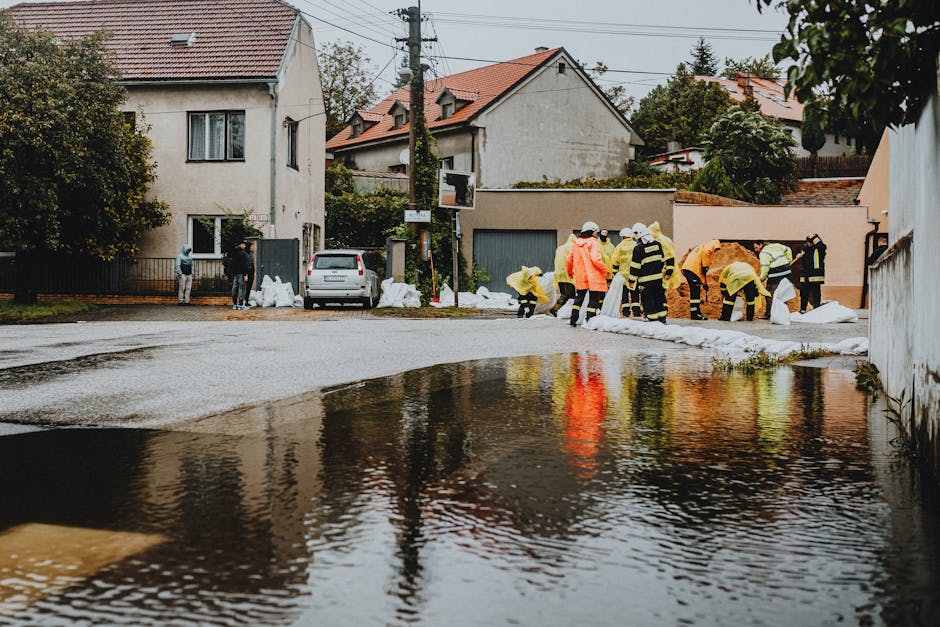
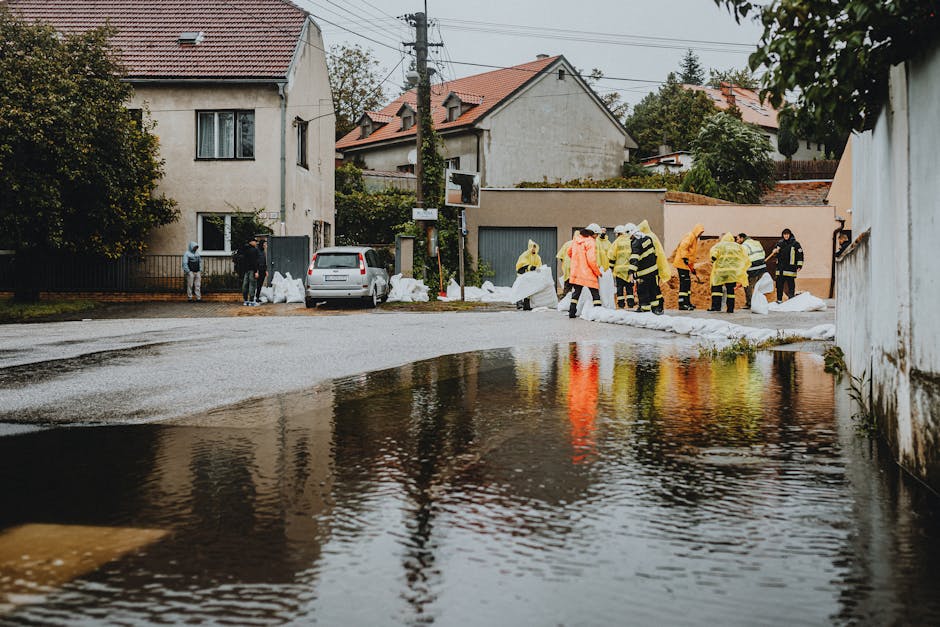
When a flood hits, the first few hours can feel chaotic. Water creeps under skirting boards, carpets start to smell damp, and suddenly you are dealing with furniture, electrics, insurance, and stress all at once. If you need Urgent Flood Cleanup Services in Merton, the goal is simple: stop the damage getting worse, make the property safe, and get life back to normal as quickly as possible.
This guide is for homeowners, tenants, landlords, and business owners in Merton who need clear advice without the waffle. We will look at how emergency flood cleanup works, what really matters in the first 24 hours, how to choose the right help, and which mistakes tend to make a bad situation worse. To be fair, flood damage is never just about water. It is about timing, drying, hygiene, and getting the details right.
If you are also thinking about the wider condition of a property after water damage, it can help to understand related services such as carpet cleaning in Merton and the full services overview, because flood recovery often overlaps with deep cleaning, sanitising, and fabric care.
Why Urgent Flood Cleanup Services in Merton Matters
Floodwater does not sit still. It spreads into floors, walls, furniture, and hidden cavities, and that is where the real trouble starts. A room can look manageable on the surface while moisture is quietly travelling into underlay, plaster, and timber. If that moisture is left alone, you may end up dealing with mould, warped flooring, stained walls, damaged electrics, and lingering odours that are very hard to shift.
In a place like Merton, where properties range from older terraces to newer flats and mixed-use buildings, the impact can vary a lot. A ground-floor home near a leak or backflow issue may need different treatment from a top-floor flat with a burst pipe. Flood cleanup is not just about mopping up water. It is about understanding where it has travelled, what it has touched, and what needs to be dried or removed before the damage becomes long-term.
There is also a health side to this. Dirty floodwater can carry contaminants, especially if it has come from drains, appliance failure, or outside runoff. Even clean water can turn into a problem once it sits long enough to encourage bacteria and mould growth. That is why urgency matters. Not panic. Urgency.
Expert summary: The sooner floodwater is removed and the affected materials are assessed, the better the chances of saving flooring, furniture, and fixtures. Delay is usually what turns a repair into a replacement.
If you are recovering after a disruption and need broader support beyond the immediate cleanup, it may also help to review trustworthy information about about us and insurance and safety, especially if you want to know how a provider approaches careful, safe work in a home or workplace.
How Urgent Flood Cleanup Services in Merton Works
Good flood cleanup follows a sequence. The exact order can change depending on the source of the water, the size of the affected area, and how quickly the call comes in, but the main stages are fairly consistent.
1. Initial assessment
The first step is a quick but careful look at the damage. A professional will want to know where the water came from, how long it has been there, which rooms are affected, and whether anything electrical is at risk. A kitchen leak, for example, is very different from a rainwater ingress through a window or a sewage-related issue. That distinction changes the cleaning approach.
2. Safety first
Before any cleaning begins, the area needs to be made safe. That can mean isolating electricity in affected zones, avoiding standing water, wearing protective equipment, and limiting access to contaminated rooms. If the water has reached sockets, fuse boxes, or appliances, a specialist approach is usually sensible. Better safe than sorry, and honestly, that is one of those phrases that earns its keep here.
3. Water extraction and removal
Standing water is removed as quickly as possible using suitable extraction equipment or manual methods where appropriate. The goal is to reduce saturation before floors, carpets, and furniture absorb more moisture. A quick extraction can make a noticeable difference, especially in carpeted rooms or soft furnishings.
4. Drying and dehumidification
Once the visible water is gone, the less obvious work begins. Drying is not glamorous, but it is everything. Air movers, dehumidifiers, and ventilation may be used to draw moisture out of materials. The aim is not just a dry-feeling surface. It is a dry structure.
5. Cleaning, sanitising, and deodorising
If the floodwater was contaminated, affected surfaces may need cleaning and sanitising. Odour control also matters, because damp smells can linger long after the water has gone. Soft furnishings, carpets, and upholstered items often need individual assessment. In some cases, salvage is possible; in others, replacement is the safer choice.
6. Monitoring and final checks
Flood cleanup rarely ends the moment the room looks fine. Moisture checks and follow-up monitoring are often needed to make sure hidden areas are drying properly. That final step is easy to overlook, but it is one of the most important parts of avoiding mould later on.
If the incident has also affected household fabrics or seating, it may be useful to read about upholstery cleaning in Merton. Likewise, after the immediate emergency is handled, a broader house cleaning Merton service can help restore the space more comfortably.
Key Benefits and Practical Advantages
The most obvious benefit of urgent flood cleanup is speed. But speed alone is not the whole story. Good cleanup work protects the structure of the property, reduces health risks, and prevents simple water damage from turning into a much bigger repair bill. That is the practical win.
- Less secondary damage: Fast action helps prevent swelling, staining, and mould growth.
- Better salvage rates: Carpets, furniture, and fittings are more likely to be saved if treated quickly.
- Safer environment: Standing water, damp materials, and contamination are dealt with sooner.
- Faster return to normal: Homes and workplaces can often be made usable again sooner.
- Clearer decision-making: You get a proper assessment of what can be dried, cleaned, repaired, or replaced.
There is also peace of mind. Flooding tends to make people feel a bit unmoored. You look at one wet room and start imagining the whole house falling apart, which is understandable, but not always accurate. A good cleanup process gives you facts instead of guesswork.
For businesses, this matters even more. Office spaces, stock rooms, waiting areas, and shared facilities all need fast attention so staff can return and operations do not stall. If your premises are commercial, it is worth looking at office cleaning in Merton as part of the wider recovery plan once the wet work is done.
Who This Is For and When It Makes Sense
Urgent flood cleanup is not just for dramatic, full-room flooding. It is for any situation where water intrusion needs immediate attention and you do not want the problem to grow quietly in the background.
Homeowners
If you own the property, you are usually trying to stop both visible damage and hidden deterioration. A burst pipe, washing machine overflow, roof leak, or backed-up drain can all justify urgent action. The earlier the response, the better the odds of preserving flooring and wall finishes.
Tenants
If you rent, you may need to act fast while also informing the landlord or managing agent. Even if the property owner is responsible for structural repairs, you still need to protect your belongings and get the issue documented. Don't just wait and hope it dries. It rarely does that neatly.
Landlords and agents
Landlords need a practical response that protects the property and reduces disruption for tenants. In multi-occupancy buildings, prompt flood cleanup can also limit knock-on issues in neighbouring units, corridors, or shared spaces.
Businesses and offices
For commercial premises, flooding is about continuity as much as damage. Even a small amount of water in a reception area, meeting room, or stock room can interfere with access, safety, and customer experience. If you manage a business property, this is the point where reactive work and sensible planning meet.
Sometimes the issue is not a dramatic flood at all, but repeated dampness after heavy rain or a slow leak that finally gets out of hand. That is still worth acting on. Actually, especially then.
Step-by-Step Guidance
If water has entered the property, here is a practical order of operations that usually makes sense. Not every case is identical, but this framework helps you stay calm and avoid wasting time.
- Stop the source if you safely can. Turn off the water supply if the issue is internal and accessible. If the source is outside, structural, or electrical, leave it and prioritise safety.
- Protect people first. Keep children, pets, and vulnerable occupants away from the affected area. If there is contamination, do not walk through it without proper protection.
- Switch off affected electrics if needed. If water is near sockets or appliances, avoid contact until the system has been assessed by a qualified professional.
- Document the damage. Take photos and short videos before things are moved, where it is safe to do so. This helps with insurance and record-keeping.
- Remove valuables and dry salvageable items. Move furniture, rugs, papers, and textiles out of the wet zone if it is safe. Place aluminium foil or blocks under legs if furniture has to stay in place temporarily.
- Start extraction and drying quickly. Use appropriate equipment or call in urgent help. Open windows if conditions allow, but do not rely on fresh air alone.
- Assess hidden areas. Check under flooring edges, behind skirting boards, and around cupboards. Water loves to hide. Annoying, really.
- Sanitise where necessary. If the water source is dirty or the area has been exposed for some time, cleaning alone is not enough.
- Monitor moisture over time. Watch for soft walls, stale smells, visible mould, or bubbling paint. These are signs that drying is incomplete.
- Plan follow-up repairs. Once the area is dry, any damaged plaster, flooring, sealant, or fittings can be repaired or replaced.
One useful habit: keep a basic emergency note on your phone with your water stopcock location, contact details for your insurer, and a couple of trusted local service numbers. You will be glad you did when the room is full of water and your brain has temporarily left the building.
Expert Tips for Better Results
There are a few small things that make a big difference in flood recovery. They are not flashy, but they save time and money.
- Act within hours, not days. The longer water sits, the deeper it travels.
- Do not trust dry surfaces alone. A floor can feel dry while the underlay is still soaked.
- Lift soft items early. Rugs, cushions, and throws can trap moisture and smell worse later.
- Separate contaminated items from clean ones. Cross-contamination is easy to miss in a rush.
- Keep airflow moving. Controlled ventilation helps, but uncontrolled humidity can also slow things down.
- Be careful with bleach. It is not a universal fix, especially on porous surfaces or mixed materials.
- Prioritise hidden voids. Behind cupboards, under floor coverings, and inside wall cavities are the usual trouble spots.
One thing people often underestimate is smell. A room may look acceptable, but if there is a damp, earthy odour by day two or three, that is a warning sign, not just an inconvenience. Smell is often the first clue that drying is incomplete.
If the flood has affected carpeted areas, a targeted service like Merton carpet cleaning may be part of the final restoration. And if the issue happened during a move-out period, it can overlap with end of tenancy cleaning in Merton, especially where landlords or letting agents expect the property to be fully presentable.
Common Mistakes to Avoid
Flood cleanup is one of those jobs where the wrong shortcut can cost you later. A lot later, sometimes.
- Waiting to see if it dries naturally. In many cases, that simply gives mould a head start.
- Using household fans only. Fans move air, but they do not remove moisture from the room.
- Covering wet areas with rugs or furniture. That traps dampness and can stain surfaces.
- Ignoring subfloor damage. A clean-looking surface can hide a very wet layer underneath.
- Throwing everything out too quickly. Some items can be saved if assessed early and correctly.
- Skipping safety checks. Water and electricity are not a casual combination.
- Cleaning before documenting. Photos matter, especially if insurance or a landlord needs evidence.
Another common misstep is trying to make the property smell better before it is actually dry. Air freshener can make the room seem improved for about five minutes. Then the damp comes back. Truth be told, you need dryness first and fragrance second.
Tools, Resources and Recommendations
You do not need a warehouse full of kit to deal with floodwater, but the right tools matter. Some are for immediate response, some for drying, and some for protecting the rest of the property.
| Tool or Resource | What It Helps With | Practical Note |
|---|---|---|
| Wet vacuum or extraction equipment | Removing standing water quickly | Most useful in the first phase, before water spreads further. |
| Dehumidifier | Pulling moisture from the air and materials | Useful for ongoing drying, especially after extraction. |
| Air movers / fans | Improving airflow around damp surfaces | Best used alongside dehumidification, not as a stand-alone fix. |
| Protective gloves and footwear | Reducing exposure to contaminated water | Especially important if the source is unknown or dirty. |
| Moisture inspection tools | Checking hidden dampness | Important for deciding whether an area is truly dry. |
| Trusted local service information | Planning next steps | Useful for recovery, repairs, and ongoing cleaning support. |
For broader support after an emergency, the page on pricing and quotes can help you understand how to request a tailored estimate, while the payment and security information is handy if you want to know how a provider handles transactions safely. Small detail, but reassuring.
And if you are curious about the wider local picture, the article on discovering the magic of Merton gives a nice sense of the area and why so many different property types need flexible cleaning support.
Law, Compliance, Standards, or Best Practice
Flood cleanup can involve health and safety considerations, electrical risk, waste handling, and property access. The exact obligations depend on the setting, the type of property, and whether you are a homeowner, landlord, tenant, or business operator. It is wise to treat any contaminated water or unsafe structure with caution.
In practical terms, that means:
- Do not enter areas with visible electrical risk.
- Use protective equipment if the water may be contaminated.
- Dispose of damaged materials carefully where they cannot be safely cleaned.
- Keep records of damage, work carried out, and any follow-up issues.
- Arrange qualified help if structural, electrical, or hygiene concerns go beyond a simple cleanup.
For service providers, a clear health and safety policy and strong insurance and safety standards are not just nice extras. They are basic trust signals. If you are letting someone into your home or business after a stressful incident, you want reassurance that they work carefully and properly.
There is also a broader professionalism point here. A trustworthy provider should be clear about scope, limitations, and what can or cannot be restored. Overpromising is a red flag. Good operators will usually explain the difference between cleaning, drying, sanitising, and repair, rather than bundling everything into one vague promise.
Options, Methods, or Comparison Table
Not every flood response needs the same method. The right approach depends on water type, saturation depth, and how quickly you can start. Here is a simple comparison to help you think it through.
| Method | Best For | Strengths | Limitations |
|---|---|---|---|
| DIY surface cleanup | Very small, clean water spills | Fast and low-cost if handled immediately | Often misses hidden dampness and deeper saturation |
| Targeted emergency cleanup | Localised flooding or leak damage | Balances speed, cleaning, and drying | May still need follow-up monitoring |
| Full restoration approach | Large floods, contaminated water, or heavy saturation | More thorough and safer for complex cases | Takes longer and may involve more disruption |
For many Merton households, the sweet spot is somewhere between DIY and full restoration. You may be able to deal with the first visible water yourself, but still need professional drying and sanitising to make sure the property is genuinely safe. That middle ground is common. Very common.
Case Study or Real-World Example
Picture a ground-floor flat in Merton after an overnight plumbing leak under the kitchen sink. By morning, the floor is wet, the kickboards are swollen, and the smell is starting to turn musty. The resident has already tried towels and a small fan, but the wet patch keeps coming back near the cupboard base.
The right response in that situation is not to keep wiping the surface and hoping for the best. A more effective approach would be to stop the source, move items from the affected area, assess whether the water has reached the underlay or adjacent room, and start drying properly. If the flooring is wood or laminate, the edges and joints would need close attention because that is where swelling often starts first.
In another common scenario, an office corridor near a reception area gets flooded after heavy rain enters through a damaged exterior point. The visible water is cleared quickly, but the carpet backing stays damp, and staff notice a lingering smell by the next day. That is the kind of case where surface cleaning alone is not enough. The practical solution involves drying, sanitising, and checking the room over time rather than calling it done too early.
The lesson is simple: flood damage does not always announce its full extent immediately. What you can see in the first hour is only part of the picture. The rest tends to show itself later, sometimes in slightly annoying ways.
Practical Checklist
Use this checklist if you need to act quickly after water enters the property.
- Identify the source and stop it if it is safe to do so.
- Check for electrical risk before entering wet areas.
- Keep people and pets away from contaminated or slippery spaces.
- Take photos and notes before moving too much.
- Remove portable items from the wet zone.
- Extract standing water as quickly as possible.
- Improve airflow and dehumidify to tackle hidden moisture.
- Inspect carpets, underlay, skirting boards, and cupboards for hidden damp.
- Sanitise affected surfaces where the water source requires it.
- Monitor for smell, mould, or soft materials over the following days.
- Arrange repairs once the area is fully dry.
- Keep records for insurance, landlord communication, or future reference.
If the property also needs wider routine care after the flood is resolved, it may be worth looking at domestic cleaning in Merton or even house cleaning services to help bring the space back to a comfortable standard.
Conclusion
Urgent flood cleanup is about more than removing water. It is about acting quickly, protecting health, saving materials where possible, and stopping small problems from becoming expensive ones. In Merton, where homes and businesses can vary widely in layout and age, the best results usually come from a calm but rapid response, followed by careful drying and proper follow-up.
If you are facing flood damage now, focus on the next sensible step rather than the whole mess at once. Safety first. Water out fast. Hidden damp checked properly. That sequence does a lot of the heavy lifting.
Get a free quote today and see how much you can save.
And if you are planning ahead rather than reacting in the middle of a mess, that is smart too. A little preparation now can save a lot of stress later, and lets face it, nobody wants to be learning all this while standing in a soggy hallway at 7am.