Bulky Waste Removal & Deep Cleaning After Merton Clear-Out
Posted on 02/06/2026
Bulky Waste Removal & Deep Cleaning After Merton Clear-Out: A Practical Guide for a Proper Fresh Start
A clear-out can feel wonderfully decisive right up until you stand in the middle of the room and realise there's still a mountain of broken furniture, dusty boxes, old carpets, and the faint smell of "what on earth was that?" hanging in the air. That is where Bulky Waste Removal & Deep Cleaning After Merton Clear-Out becomes more than a tidy-up. It is the point where a space goes from emptied to genuinely reset.
Whether you are clearing a flat after a tenancy, sorting a family property, getting a home ready for sale, or dealing with years of accumulated clutter, the job is rarely just about removing items. You also need to remove dust, residue, odours, stains, and the little hidden bits that get missed during the first pass. Done well, the result is calmer, safer, and much easier to use again. Done badly, you are left with a place that still feels half-finished. Let's not do half-finished.
This guide walks through what bulky waste removal and deep cleaning actually involve, how to approach the work sensibly, what mistakes people make, and when it makes sense to bring in extra help. If you want more context about local cleaning services in the area, you may also find the broader services overview useful, especially if your clear-out is part of a move, tenancy change, or renovation.
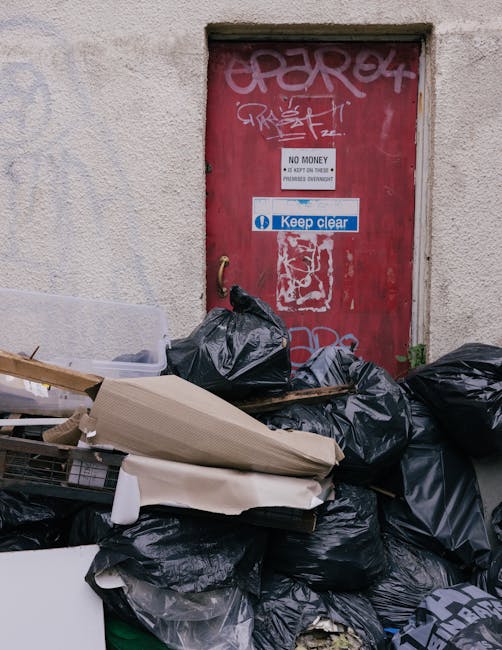
Why Bulky Waste Removal & Deep Cleaning After Merton Clear-Out Matters
When people say a property has been "cleared out", they often mean the obvious stuff is gone: wardrobes, old mattresses, bags of odds and ends, maybe a broken table that has been leaning against a wall for months. But a genuine reset requires more than visible empty space. Dust settles behind radiators. Dirt gets pressed into floor edges. Kitchens hold onto grease. Bathrooms can keep a stale, closed-up smell even after all the bins are emptied.
That is why bulky waste removal and deep cleaning work best as a pair. Removing large items creates access. Deep cleaning then deals with the hidden mess that was trapped underneath or behind them. If you skip one part, the job tends to show itself later. It is a bit like sweeping the top of a shed and leaving the floor buried in old cobwebs. Technically cleaned? Maybe. Actually ready? Not really.
In Merton, clear-outs often happen around move-outs, probate situations, renovations, downsizing, or office changes. In each case, the space usually needs to look presentable, smell fresh, and be safe to walk through. That matters for landlords, buyers, family members, and businesses alike. It can also make a stressful day feel a touch more manageable, which is no small thing.
A clear-out can also uncover problems you did not know were there: mould behind a cabinet, a leaking pipe under a sink, pet damage under a sofa, or carpet staining after long periods of neglect. If water has been involved, it is worth looking at urgent flood cleanup services in Merton because moisture changes the whole cleaning approach and can turn a simple tidy into a more cautious restoration job.
How Bulky Waste Removal & Deep Cleaning After Merton Clear-Out Works
The process is straightforward on paper, but the best results come from sequencing. First comes sorting. Then removal. Then cleaning. Then a final review. Trying to deep clean before the bulky waste is gone usually means moving the same items twice, which is exactly the kind of thing that makes a clear-out feel endless.
1. Sort the space by category
Separate items into broad groups: keep, donate, recycle, dispose, and check later. That last one is useful when you have documents, sentimental items, or anything you are unsure about. Be realistic here. If you are standing in a room saying, "I might use this one day," that item has probably already had its last meaningful chapter.
2. Remove bulky waste safely
Bulky waste usually includes furniture, broken appliances, mattress items, bagged general waste, and large household clutter. The main risk is not just size; it is awkward weight, sharp edges, dust, and hidden contamination. A box might look harmless until you lift it and realise it is full of damp books. Lovely.
Careful handling matters because lifting the wrong way or dragging items over floors can create injuries or surface damage. If items are very heavy, greasy, damp, infested, or possibly contaminated, treat them as a higher-risk job and do not rush. A calm, methodical approach saves time in the end. Strange, but true.
3. Deep clean every exposed surface
Once bulky items are out, the room often looks worse before it looks better. That is normal. The dust and grime that were hidden suddenly become obvious. Deep cleaning typically includes:
- vacuuming and wiping skirting boards, corners, and edges
- degreasing kitchens and touchpoints
- scrubbing bathrooms, sinks, taps, and tiles
- spot-cleaning marks on walls and doors where appropriate
- cleaning inside cupboards, drawers, and shelves
- refreshing hard floors and carpeted areas
- tackling lingering odours rather than just masking them
If carpets or upholstery have been sitting under furniture for years, they may need more than a basic hoover. In those cases, a specialist clean can make a real difference, which is why services such as carpet cleaning in Merton and upholstery cleaning in Merton are often part of the wider post-clear-out plan.
4. Finish with a safety and presentation check
The last step is a walk-through. Check for sharp debris, remaining waste, damp patches, loose fixtures, and any missed spots. Open windows if possible. Look at the space from the doorway first, then from the corners. Oddly enough, that changes what you notice. A place can look "done" from one angle and not from another.
Key Benefits and Practical Advantages
There is the obvious benefit: a cleaner, more usable space. But the real value of proper bulky waste removal and deep cleaning is wider than that.
- Better first impressions: Whether you are handing over keys, photographing a property, or welcoming someone back into a room, presentation matters.
- Less stress: One coordinated process is far easier than dealing with a cluttered room one problem at a time.
- Reduced risk of hidden issues: Clearing and cleaning together can reveal damp, mould, pests, or damage earlier.
- More efficient re-use of the space: A room that is truly clean is easier to repaint, furnish, rent, sell, or occupy.
- Better hygiene: Dust, allergens, and residue do not just disappear because the furniture is gone.
- Less chance of callbacks: For landlords, agents, and business owners, a properly finished clear-out avoids the awkward "we still need to sort that" moment.
There is also a psychological benefit that people underestimate. A clear, clean room changes how the rest of the property feels. It becomes easier to make decisions. You can see the floor. You can breathe a bit easier. It sounds small, but it changes the whole day.
Expert summary: If the goal is to make a property genuinely ready for its next use, do not treat bulky waste removal and deep cleaning as separate chores. They are two halves of the same job.
Who This Is For and When It Makes Sense
Truth be told, almost anyone dealing with a large clear-out can benefit from a joined-up approach. But it is especially useful in the following situations.
Homeowners and families
After downsizing, inheritance clearances, long-term storage releases, or renovation prep, the amount of waste and dust can be surprising. Families often have a lot of decision-making attached to the process too, so a structured plan helps keep everyone sane.
Tenants and landlords
End of tenancy situations often combine old furniture, bagged waste, and cleaning that needs to reach a decent standard before handover. For related moving-out guidance, end of tenancy cleaning in Merton is relevant, and so is the more detailed post on end of tenancy cleaning in Colliers Wood if you are dealing with a local move.
Property sellers and buyers
Clear-out work often comes right before listing, viewings, or completion. If you are planning a move in the area, it may help to look at a guide to buying Merton real estate, because timing the clean with the move can save a lot of overlap and chaos.
Estate managers and executors
Probate clearances can be emotionally difficult and physically demanding. You are usually balancing practicality with sensitivity, and it is rarely a one-afternoon job. Slow down where needed. No one benefits from rushing through personal belongings.
Offices and commercial spaces
Businesses may need bulky items cleared after a refit, move, or downsizing event. If desks, shelving, or archived stock are being removed, the space usually needs more than dusting. Floors, fixtures, and shared touchpoints may need a proper deep clean too. For that broader operational angle, the office cleaning in Merton page is worth a look alongside the main service approach.
Step-by-Step Guidance
If you want the work to go smoothly, planning matters more than muscle. Here is a sensible order that works in real life, not just on paper.
- Walk through the property first. Identify what needs to go, what needs to stay, and what may need specialist handling. Take a few photos if useful. It helps to remember what was where.
- Separate bulky waste from smaller clear-out debris. Boxes, furniture, mattresses, appliances, and bagged clutter may all need different handling. Keep it organised.
- Protect floors and access routes. Use covers or lifting aids where needed, and avoid dragging heavy items across finished surfaces.
- Remove the largest items first. This opens up the space and makes the remaining work much easier.
- Collect loose waste as you go. Small items multiply quickly. A few screws, broken hangers, old packaging, and dust bunnies can suddenly become a full bag.
- Vacuum thoroughly. Start high and move low: shelves, ledges, skirting, corners, then floors.
- Deep clean room by room. Kitchens and bathrooms usually need the most attention, followed by living areas and bedrooms.
- Treat stains and odours properly. Use suitable methods for the surface. Do not scrub something simply because it looks stubborn; that can make it worse.
- Air out the property. Open windows if conditions allow. Fresh air helps more than people think.
- Do a final inspection. Check corners, behind doors, under sinks, and near radiators. The hidden bits are always the troublemakers.
If the job includes carpets that have absorbed years of dust and traffic marks, a post-clear-out clean can pair well with carpet cleaning tips for Mitcham High Street. That article is especially useful if you are trying to decide how much can be revived rather than replaced.
Expert Tips for Better Results
A few practical habits make a big difference here. Nothing flashy. Just the kind of things that keep the job moving.
- Start with the dirtiest areas first. It is easier to lift grime before the rest of the property gets disturbed again.
- Keep bags and boxes labelled. Even a quick label like "electronics", "paper", or "mixed waste" saves time later.
- Use the right sequence for cleaning products. Apply degreasers, allow a little dwell time, then wipe. Rushing straight to scrubbing often gives poor results.
- Check for damp before deep cleaning carpets or fabric. If there is moisture, deal with that first.
- Move furniture carefully, not aggressively. A chipped wall or scratched floor is an expensive way to save thirty seconds.
- Work with natural light when possible. Mid-morning light can reveal dust and streaks that overhead lights hide. Annoying, but useful.
One small real-world observation: people often clean the visible centre of the room and forget the perimeter. Yet the edge lines, skirting boards, and corners are where a space can still feel "unclean" even after a lot of work. So yes, the edges matter. A lot.
If a property is being prepared for sale or rental, the visual finish matters as much as the hygiene. A clean room photographs better, feels more open, and tends to reduce the sense that there is "work left to do".
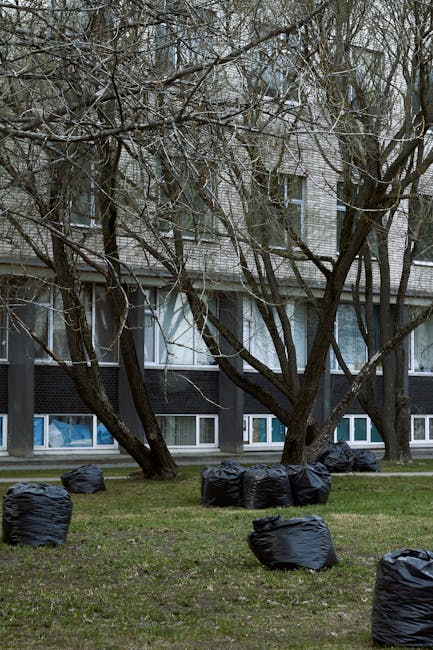
Common Mistakes to Avoid
Most clear-outs go wrong in fairly predictable ways. The good news? They are easy enough to avoid if you spot them early.
- Cleaning before removing bulky waste. This usually means cleaning twice.
- Underestimating hidden mess. Under sofas, behind fridges, and inside cupboards is where the real dust lives.
- Using the wrong cleaning method. Not every surface likes the same product or amount of moisture.
- Leaving sorting until the end. That creates waste piles that are harder to manage and more stressful to move.
- Forgetting odour sources. A room can look tidy and still smell stale because of hidden residue or soft furnishings.
- Ignoring safety. Heavy lifting, broken glass, old paint tins, and damp items deserve proper caution.
- Assuming a quick vacuum is enough. It rarely is after a serious clear-out.
Another mistake is being too sentimental about broken or unusable items. This happens more than people admit. You keep one chair because it reminds you of something, then end up building a cleaning plan around an object that should have gone out years ago. Happens to the best of us, honestly.
Tools, Resources and Recommendations
You do not need a warehouse of equipment, but a basic toolkit helps everything move faster and safer.
Useful tools for the job
- heavy-duty bin bags or rubble sacks
- gloves with a good grip
- mask or dust protection for dusty clear-outs
- flat-packed boxes for sorting items
- vacuum cleaner with crevice attachments
- microfibre cloths
- bucket, mop, and suitable floor cleaner
- degreaser for kitchens
- disinfectant for hygiene-sensitive areas
- sponges, scrapers, and soft brushes for detail cleaning
Useful service pairings
Depending on the property, a clear-out may also benefit from broader domestic or house cleaning support. For example, if the room is part of an occupied home rather than an empty property, the details in domestic cleaning in Merton or house cleaning in Merton can help you judge what level of finish is realistic.
For the business side of things, it also helps to understand how prices are usually structured before you start. The pricing and quotes page is useful if you are comparing scope, timing, and what may be included.
If you want to understand the company's wider approach to handling visits, scheduling, and customer details, it is also sensible to review insurance and safety information as well as the about us page. That is not glamorous reading, I know, but it builds trust and makes expectations clearer.
Law, Compliance, Standards, or Best Practice
For bulky waste and post-clear-out cleaning, compliance is less about dramatic legal jargon and more about sensible, lawful handling. In the UK, you should be careful not to leave waste in a way that creates hazards, nuisance, or improper disposal issues. If you are using a contractor, you would normally want them to follow safe working practices, handle waste responsibly, and carry appropriate protections for staff and property.
Best practice usually means:
- sorting waste before removal where practical
- keeping hazardous or uncertain items separate
- protecting floors, walls, and access routes
- using suitable lifting techniques and equipment
- taking care with electrics, sharp waste, and moisture
- making sure the site is left safe and usable
From a customer perspective, it is fair to expect clear communication on what is included, how access works, and what happens if the team discovers extra issues such as damp, pests, or contamination. That is where transparent service terms help. If you want to see how a provider frames those basics, the terms and conditions, privacy policy, and payment and security pages are the kind of support information that should be easy to find.
For responsible business conduct, policies also matter. Pages such as the health and safety policy, modern slavery statement, accessibility statement, and complaints procedure may not be exciting reading, but they show whether a business takes standards seriously. That matters more than people think.
Options, Methods, or Comparison Table
Different clear-outs call for different approaches. Sometimes you only need a small team with vacuums and bags. Other times you need a more thorough, staged clean. Here is a simple comparison.
| Approach | Best for | Strengths | Limitations |
|---|---|---|---|
| DIY clear-out and clean | Small, low-risk jobs with light clutter | Lower upfront cost, full control | Time-consuming, physically demanding, easy to miss hidden dirt |
| Bulky waste removal only | Spaces that just need items gone quickly | Fast visual improvement, frees up space | Leaves dust, odours, stains, and surface grime behind |
| Deep cleaning only | Properties already cleared or nearly empty | Improves hygiene and appearance | Hard to do properly if bulky items are still in the way |
| Combined removal and deep clean | Moves, clear-outs, end of tenancy, property prep | Most efficient, best overall finish, less double-handling | Requires better planning and coordination |
In most real-world clear-outs, the combined approach is the sensible one. It reduces backtracking. It also makes the final result feel complete, not patchy.
Case Study or Real-World Example
Imagine a two-bedroom flat in Merton after a long tenancy. The main rooms still have a worn sofa, a broken shelving unit, two mattresses, and several bags of mixed clutter. The kitchen has old packaging, grease around the hob, and sticky cupboard shelves. The bathroom is clean enough at first glance, but the grout lines are dull and the extractor has collected dust.
If you start by cleaning the kitchen, you will likely end up moving bags around the room again once the furniture comes out. If you remove the bulky waste first, though, the whole layout opens up. Suddenly you can see the skirting boards, the corners, and the marks left under the furniture. The clean becomes logical instead of chaotic.
In a case like this, the best sequence would usually be:
- remove furniture and bulky items
- bag and clear all loose waste
- vacuum thoroughly, including edges and under radiators
- degrease kitchen surfaces and clean cupboard interiors
- scrub bathroom fixtures and tiles
- treat carpet spots and lingering odours
- inspect the property for missed dirt or damage
The key lesson is simple: the room tells you what it needs once the clutter is gone. Before that, it is guesswork. After that, the work is much more honest.
Practical Checklist
Use this checklist if you want a clean, calm, and properly finished result after a clear-out.
- Have you sorted items into keep, donate, recycle, and dispose?
- Have all bulky items been removed before deep cleaning begins?
- Are heavy or awkward items being moved safely?
- Have floors, corners, and skirting boards been cleaned?
- Have kitchens and bathrooms been deep cleaned rather than just wiped down?
- Have carpets, upholstery, or soft furnishings been assessed for specialist cleaning?
- Have you checked for odours, damp, mould, or hidden residue?
- Have windows or ventilation been used where possible to freshen the space?
- Have all surfaces, cupboards, and drawers been checked?
- Has a final inspection been completed from top to bottom, including behind doors and under fixed items?
Quick takeaway: if the space still looks cluttered, dusty, or slightly stale after the first round, it probably needs a second, more deliberate pass. That is normal. The final 10 percent often takes almost as long as the first 90, which is irritating, but there it is.
Conclusion
Bulky waste removal and deep cleaning after a Merton clear-out are not separate chores to tick off one by one. They are part of one bigger process: turning a tired, cluttered, or heavily used property into a space that feels clear, safe, and ready for what comes next. The best results come from careful sorting, safe removal, thorough cleaning, and a proper final check.
Whether you are preparing a home for sale, clearing a tenancy, handling a family property, or resetting a business space, the practical principles stay the same. Remove the large items first. Clean the hidden dirt. Check the details. And do not be afraid to slow down where the job needs it. A good clear-out has a way of giving people a little breathing room, and sometimes that is exactly what a property needs too.
If you are planning a post-clear-out clean and want help understanding the next sensible step, start by reviewing the relevant service pages and support information, then decide what level of removal and deep cleaning your property really needs.
Get a free quote today and see how much you can save.